September 12, 2026
Retaining walls are far more than mere structural barriers designed to hold back dirt; they are versatile, transformative elements that elevate the overall function, health, and beauty of modern landscapes. Unmanaged slopes, soil erosion, and poor water management can quickly render vast portions of a residential or commercial property completely unusable. By introducing carefully engineered retaining structures, property owners can reshape challenging terrain into stable, flat, and inviting outdoor environments. From practical earth retention to stunning architectural enhancements, retaining walls offer a permanent solution to landscape instability while dramatically improving property usability and long-term financial value.
Understanding the Engineering and Planning of Retaining Walls
At their core, retaining walls are heavily engineered structures designed to bound soil between two distinct elevations, restraining earth on unnatural slopes where it would otherwise slide or erode. Unmanaged soil exerts incredible pressure on lower elevations, particularly following heavy precipitation events when groundwater saturates the earth. According to This Old House, a four-foot-high, 15-foot-long retaining wall can hold back as much as 20 tons of saturated soil. Without proper structural planning, gravity and hydrostatic pressure will inevitably cause slopes to fail. This is why experienced landscape contractors spend significant effort evaluating soil composition, total elevation drop, groundwater drainage, and structural loads before ever breaking ground on a major slope stabilization project.
Selecting the appropriate retaining wall type depends heavily on the site's specific physical needs and decorative goals. Gravity walls rely on their sheer weight and mass—utilizing dense concrete blocks, heavy stone, or thick timbers—to resist the forward push of the earth behind them. Cantilevered walls utilize a reinforced concrete base and internal steel rebar to convert lateral earth forces into vertical downward pressure. Sheet piling walls work well in tight spaces with soft soils, driving steel or vinyl planks deep into the ground. Anchored walls utilize steel cables driven deep into the earth behind the wall face to provide additional structural support for tall, heavy loads. Working alongside certified landscape contractors ensures that the chosen structural design properly matches your soil dynamics and load requirements.
Proper design and engineering principles must be combined with strict compliance with local municipal codes and zoning regulations. Most municipalities require formal engineering reviews, stamped architectural drawings, and official building permits for any retaining wall that exceeds three or four feet in height. Zoning rules often specify setbacks from property lines, maximum structural heights, and mandatory safety railings along elevated upper drop-offs. Consulting with licensed landscape contractors during the initial design phase guarantees that your hardscape project complies fully with all regional building codes, avoiding costly structural rework, legal fines, or safety hazards down the road.
Maximizing Usable Outdoor Space with Terracing and Hardscapes
Sloped yards present severe physical challenges to homeowners who want functional outdoor living spaces. Steep gradients make it nearly impossible to set up patio furniture, install outdoor kitchens, set up children's play equipment, or plant stable gardens. By implementing a series of tiered retaining walls, professional landscape contractors can transform unusable, steep hillsides into expansive, multi-level flat surfaces. Terracing converts a single hazardous slope into a visually dynamic sequence of level steps, drastically expanding the functional footprint of your property while making everyday yard care exponentially safer and easier.
The flat areas created by retaining walls pave the way for high-end outdoor entertainment amenities. Homeowners can install expansive paver patios, fire pit lounges, sports courts, and swimming pool decks on newly leveled terrain that was previously off-limits. Beyond leisure areas, retaining walls provide crucial structural foundation support for driveways, off-street parking pads, and pedestrian walkways built on steep property inclines. By locking the surrounding earth in place, these hardscapes keep concrete driveways and paver paths from shifting, cracking, or sliding downhill over time, keeping your entire property safe, accessible, and functional.
Integrated wall systems also define elegant transition zones throughout your outdoor living areas. Built-in retaining structures can easily incorporate integrated stone steps, bench seating walls around patios, embedded night lighting fixtures, and custom raised planter boxes. By working with seasoned landscape contractors, you can turn necessary earth retention structures into striking architectural focal points. The resulting multi-tier layout adds depth, visual texture, and clear spatial organization to your property, turning a plain slope into an inviting, high-end sanctuary tailored for relaxation and entertainment.
Advanced Erosion Control and Water Management
Preventing destructive soil erosion is one of the primary reasons property owners invest in heavy-duty retaining walls. Unprotected slopes lose valuable, nutrient-rich topsoil every time it rains, leaving behind deep gullies, exposed tree roots, and unsightly muddy patches. Retaining walls lock the soil matrix firmly in place, stopping wind and water erosion in its tracks. By preserving topsoil stability, retaining structures safeguard flower beds, lawn turf, and mature trees, protecting your investment in high-end plants while maintaining a neat, well-manicured property appearance year-round.
Managing water movement is equally critical to long-term landscape health. Uncontrolled rainwater runoff rushing down an bare hill can flood lower patios, pool against home foundations, and wash away delicate flower gardens. Retaining walls act as heavy physical diversions, slowing down surface runoff and redirecting groundwater safely through built-in drainage systems. Quality installation involves placing porous backfill, such as clean gravel, alongside perforated drain pipes directly behind the wall face. This allows trapped groundwater to drain freely away, eliminating dangerous hydrostatic pressure buildup while protecting your home's foundation from water intrusion.
In addition to protecting nearby homes and walkways, retaining walls stabilize steep hillsides that pose serious landslide hazards during torrential downpours. By holding heavy, water-soaked earth securely in place, these walls protect downhill structures, roads, and neighboring properties from catastrophic mudslides. Furthermore, by slowing down runoff and managing soil moisture, retaining walls create optimal microclimates for healthy plant growth. Tiered planter beds hold water evenly, allowing native shrubs, perennial flowers, and lush groundcovers to thrive on slopes that were once too dry or unstable to support healthy vegetation.
Aesthetic Value, Material Selection, and Long-Term Maintenance
Beyond their undeniable functional utility, retaining walls offer remarkable aesthetic versatility that dramatically enhances property curb appeal. Modern manufacturing techniques provide an endless array of high-quality materials, ranging from rustic stacked natural fieldstone and rough-cut granite to clean, modern modular concrete blocks and warm timber retaining beams. Property owners can customize the color palette, surface texture, and structural pattern of their walls to perfectly match the architectural style of their existing home, creating a cohesive, high-end look throughout the entire landscape.
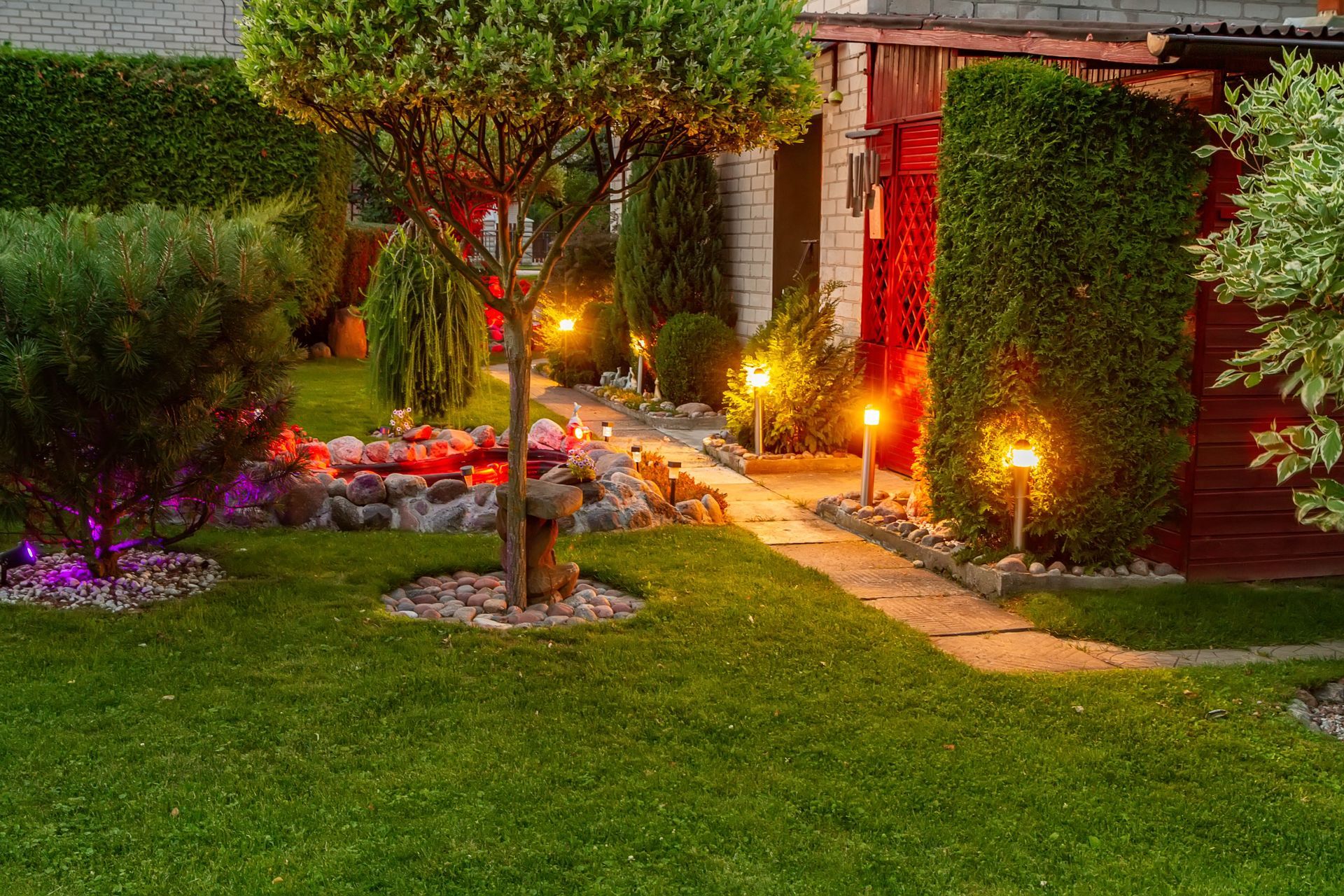
Incorporating creative design flourishes like embedded LED step lighting, custom water features, curved walls, and integrated stone seating transforms raw concrete blocks into breathtaking works of landscape art. Lighting built directly into the wall caps illuminates walkways and steps at night, improving property safety while casting dramatic shadows across textured stone faces. Choosing natural materials or warm earth-toned block systems helps hardscapes blend seamlessly into surrounding trees, flower beds, and natural surroundings, striking a balance between artificial construction and natural organic beauty.
While minor garden borders can occasionally be built as simple personal projects, constructing heavy, structural retaining walls requires professional installation. Expert landscape contractors possess the heavy equipment, engineering expertise, and soil excavation knowledge necessary to build stable gravel bases, ensure level courses, and install proper internal reinforcement grids like geogrid. Proper initial installation prevents common structural failures such as bulging faces, wall leaning, or complete collapse, protecting your home and property investment for decades to come.
When you are ready to upgrade your sloped yard, resolve soil erosion issues, or create stunning terraced living spaces, partner with experienced industry professionals who understand proper earth retention dynamics. Contact the experienced design and installation team at Matt Sander Landscape Services LLC to schedule your initial consultation and transform your property today.