November 12, 2026
Outdoor living areas serve as vital extensions of contemporary residential and commercial properties, offering functional utility, aesthetic refinement, and environmental value. Reimagining an exterior environment requires a balance of horticulture, spatial architecture, and construction knowledge. Professional landscape designers guide this transformation by evaluating raw terrain and turning it into an enduring, cohesive retreat. Their technical mastery and artistic insight ensure that every square foot is optimized for everyday enjoyment, long-term sustainability, and property enhancement. From initial concept drawings to structural masonry and automated irrigation, an experienced design team navigates complex grading challenges, environmental microclimates, and local building codes to fashion bespoke environments tailored precisely to each owner's standard of living.
A successful exterior project involves much more than sporadic shrub plantings or scattered patio stones. It requires a comprehensive approach that considers structural balance, biological resilience, and long-term land management. By establishing clear circulation pathways, designating functional activity zones, and selecting high-performance materials, designers establish an intuitive flow between indoor living areas and exterior settings. The resulting outdoor retreats provide tranquil sanctuaries for personal wellness, lively centers for weekend entertainment, and ecologically balanced habitats that flourish through changing seasons.
Assessing Site Potential and Client Needs
The transformation process begins with in-depth client consultations to identify aesthetic preferences, lifestyle patterns, and functional priorities. Designers interview property owners to understand how the land will be utilized across various times of day and through different seasons. Determining whether the space centers on open-air culinary entertainment, quiet personal relaxation, children's recreation, or active vegetable gardening establishes realistic project parameters, budgetary frameworks, and architectural styles that harmonize with the main residence.
Following initial discussions, landscape designers execute thorough physical site evaluations to inventory the property's natural opportunities and challenges. This analytical phase includes testing soil composition and texture, mapping subterranean utilities, cataloging established trees, recording diurnal sun trajectories, and assessing stormwater flow paths. Understanding localized microclimates and underlying geology prevents structural settling beneath hardscaping installations and eliminates premature plant loss caused by improper sun exposure or poor soil aeration.
Design professionals also research mandatory legal and environmental parameters before putting pen to paper. They review deed restrictions, evaluate municipal property setbacks, verify zoning codes, and calculate maximum impervious surface allowances. Addressing critical environmental regulations, municipal drainage rules, and tree-protection mandates early avoids costly permitting delays, fines, and construction revisions, providing a legally sound, environmentally compliant foundation for the entire outdoor project.
Conceptualizing Unified Living Environments
Once preliminary data is assembled, landscape designers formulate a comprehensive master plan that connects natural land contours with constructed architectural elements. Using fundamental design principles of visual scale, rhythm, texture, and focal hierarchy, they establish intuitive transitions between varied outdoor rooms. Designers produce detailed two-dimensional layout plans, elevation sketches, and photorealistic three-dimensional digital walkthroughs that illustrate how hardscape textures and vegetative canopies interact under changing light conditions throughout the year.
A primary objective in contemporary landscape planning is merging modern trends with timeless architectural standards. Designers integrate contemporary amenities such as fully equipped outdoor kitchens, automated fire tables, floating bench seating, and subtle recessed illumination alongside classic regional masonry and indigenous vegetation. This strategic integration yields functional spaces that retain their aesthetic allure and elevate overall real estate worth. According to Virginia State University, sophisticated landscape design can increase property value by up to 12.7%.
Iterative review sessions allow homeowners to examine material selections, test movement corridors, and fine-tune spatial dimensions before breaking ground. By welcoming client feedback throughout the conceptual development phase, landscape designers ensure the final layout reflects the owner's personal taste while adhering to rigorous structural engineering and sustainable site management practices.
Selecting Resilient and Ecological Plantings
Vegetation selection serves as the biological foundation of any successful exterior environment, establishing texture, shade, privacy, and color throughout the grounds. Professional landscape designers prioritize indigenous plant varieties and climate-resilient species cultivated to withstand local temperature swings, seasonal rainfall fluctuations, and native soil chemistries. Because native species evolved alongside regional climate cycles, they require fewer chemical treatments and conserve irrigation water once established.
Long-term landscape vitality depends heavily on cultivating intentional biological diversity. By pairing structural canopy trees with layered understory specimens, flowering shrubs, perennial grasses, and dense groundcovers, designers assemble multifaceted microhabitats. These botanical configurations support local songbirds, butterflies, honeybees, and beneficial predatory insects. Greater biodiversity strengthens botanical resistance against regional pest infestations and fungal diseases while creating year-round sensory interest.
Balancing dramatic seasonal aesthetics with realistic maintenance expectations remains paramount. Experienced designers arrange planting beds so that spring flowering displays give way to lush summer foliage, dramatic autumn coloration, and distinct winter architectural silhouettes. Tailoring the species palette to the client's maintenance preferences ensures the garden retains its intended elegance without requiring excessive labor or costly horticultural interventions.
Implementing Durable Hardscaping Elements
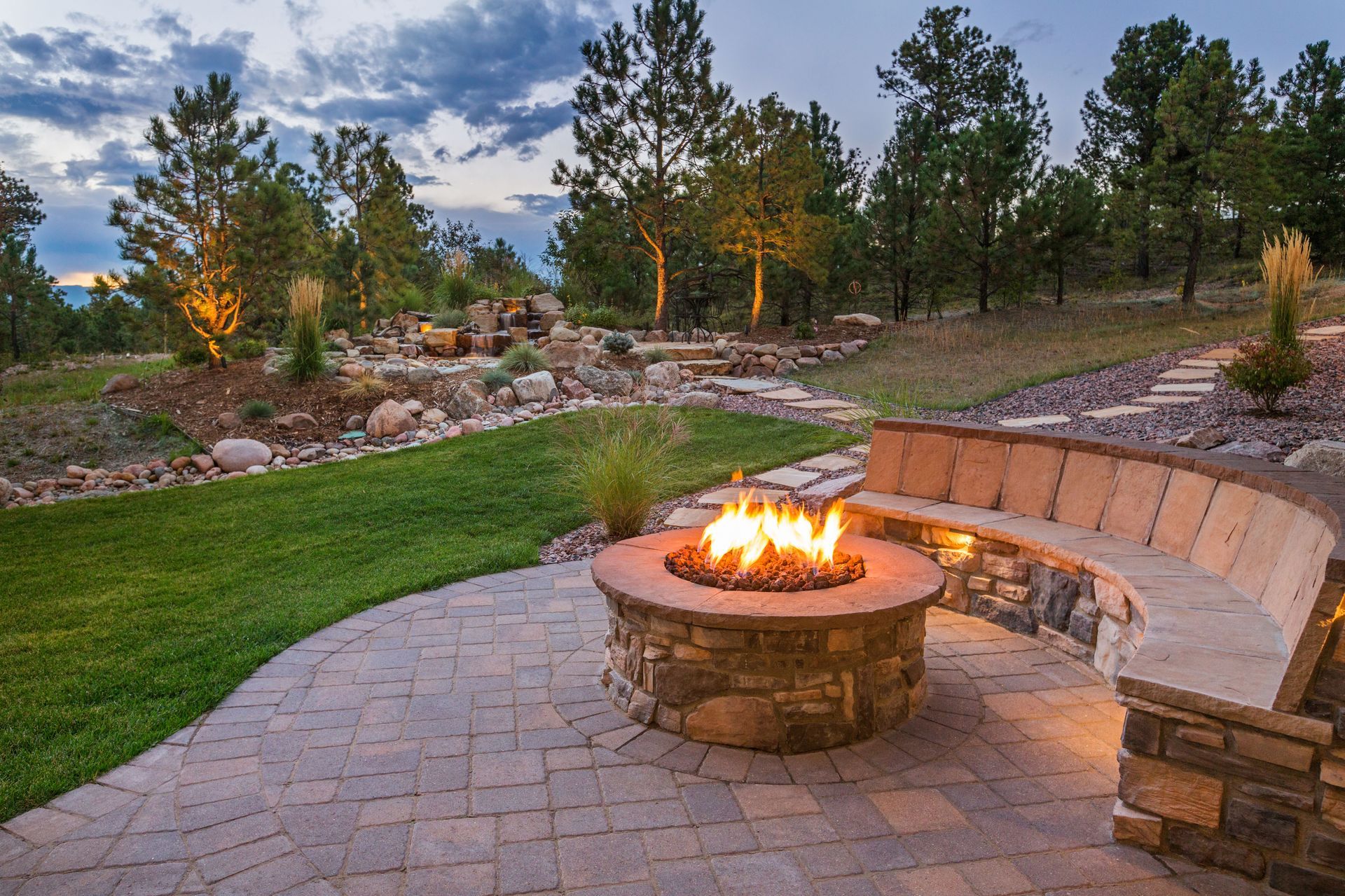
Hardscaping furnishes the permanent functional backbone that transforms raw yard space into accessible, fully usable outdoor living rooms. Elements such as dry-stacked retaining walls, natural bluestone terraces, permeable unit paver patios, timber pergolas, and stone walkways delineate distinct functional zones across the property. Well-constructed hardscapes manage foot traffic, mitigate slope erosion, eliminate muddy transition zones, and provide durable foundations for furnishings and cooking equipment.
Modern exterior construction places strong emphasis on sustainable sourcing and environmentally responsible installation methods. Designers frequently utilize permeable pavers, crushed local aggregates, and porous surfaces that allow rainwater to infiltrate underlying soils naturally. This minimizes municipal stormwater runoff and recharges groundwater tables. Masonry structures are deliberately balanced against soft vegetative borders, turf strips, and cascading groundcovers to prevent the space from appearing rigid or industrial.
Integrating focal points like custom water fountains, peaceful reflecting pools, linear fire features, and vertical green walls adds acoustic depth, privacy, and sensory warmth. Moving water masks ambient traffic noise from surrounding streets, while warming fire features extend the functional usability of patios into brisk autumn and early winter evenings, creating inviting gathering points for family and guests.
Integrating Smart Management and Long-Term Care
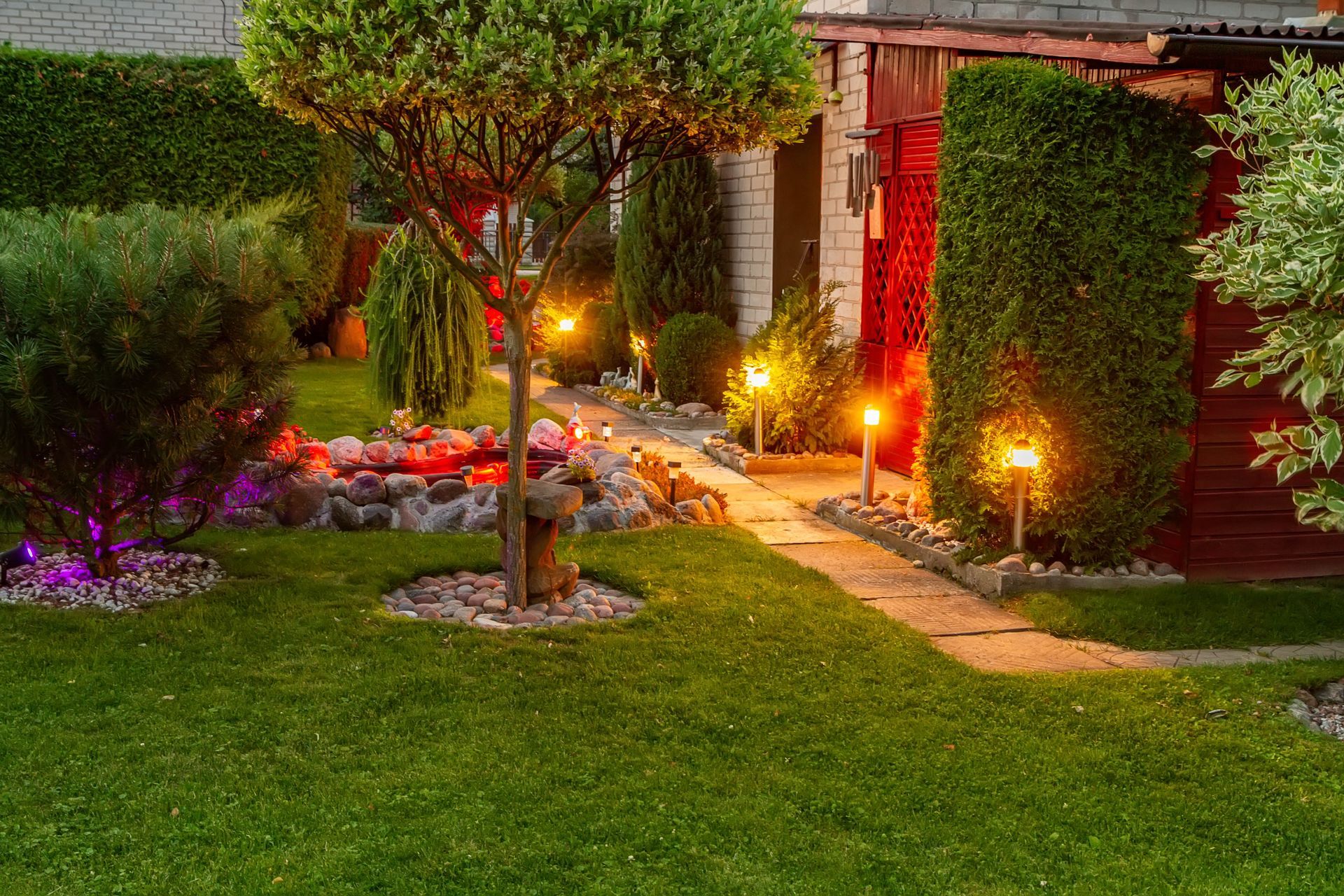
Modern exterior spaces utilize automated environmental technologies to simplify routine maintenance and conserve natural resources. High-efficiency smart irrigation systems utilize subterranean moisture sensors, flow meters, and local meteorological data to calibrate watering cycles automatically. Low-voltage LED lighting arrays with astronomical timers provide targeted visibility along circulation stairs and walkways, spotlight architectural trees, and enhance security while consuming minimal power.
Preserving the health and architectural intent of a landscape requires continuous, structured care. Landscape designers supply seasonal maintenance guidelines covering soil nourishment, structural pruning, mulching cycles, and pest mitigation. Clear instructions help property owners and groundskeeping crews care for each botanical and structural element through seasonal weather changes.
Forward-thinking exterior planning accounts for future lifestyle adjustments and property improvements. Incorporating flexible layouts, conduit sleeves for future utility lines, and modular zones allows the landscape to accommodate swimming pools, outdoor kitchens, or outbuildings down the road without requiring full site redevelopment. This proactive approach preserves existing plantings, saves substantial installation costs later, and protects mature hardscaping from disruptive heavy machinery.
Outdoor transformations demand a balanced combination of creative vision, horticultural expertise, and precise construction execution. By coordinating site characteristics, native plant communities, resilient masonry, and resource-efficient infrastructure, landscape designers create enduring spaces that enrich daily living and raise market value. For more information about the services that we offer, reach out to our incredible team at Matt Sander Landscape Services LLC today!